

28 Nov The Transformative Power of Geofencing in Air Cargo Efficiency
The air cargo industry is on the brink of a significant transformation, projected to reach a market value of $1 trillion by 2025, with a compound annual growth rate (CAGR) of 4.2 per cent since 2020. Central to this evolution is geofencing technology, which enhances operational efficiency and helps meet the growing demand for timely, secure deliveries.
Understanding Geofencing Technology
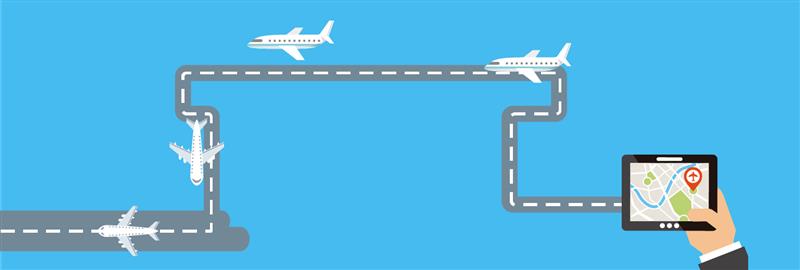
Geofencing employs GPS, Wi-Fi, cellular networks, and RFID to craft virtual boundaries for tracking shipments, enabling real-time monitoring throughout the supply chain. According to ARC Advisory Group, companies utilising geofencing can cut logistics costs by up to 15 per cent.
Real-Time Tracking and Enhanced Visibility
A significant advantage of geofencing is its provision of real-time tracking, which greatly enhances visibility for logistics managers. Stakeholders benefit from instant updates and automated notifications as cargo moves in and out of designated areas, minimising manual checks and improving communication. This proactive tracking can reduce overall delivery times by up to 20 per cent, effectively minimising delays.
Elevated Security Protocols
Geofencing also bolsters security by mitigating risks of theft and unauthorised access. By establishing secure perimeters around warehouses, organisations protect high-value cargo. The air cargo industry currently incurs estimated annual losses of $6.6 billion—more than $18 million per day—and projections indicate a 22 per cent increase in losses by 2025. Geofencing provides real-time alerts for breaches, enabling swift responses to safeguard assets.
Boosting Operational Efficiency and Reducing Costs
Geofencing significantly enhances operations by automating cargo unloading and reducing dwell time by up to 30per cent, helping save on expensive demurrage fees. It also optimises routing using real-time traffic and weather data, boosting fuel efficiency by about 10 per cent. It’s a game-changer for truck slot management.
Conclusion
Despite challenges such as system integration, data privacy, and GPS reliability, embracing geofencing technology is essential. It offers a significant competitive advantage, enabling businesses in the air cargo sector to meet escalating demands in a rapidly evolving landscape.
Read More on Airport Cargo Community System