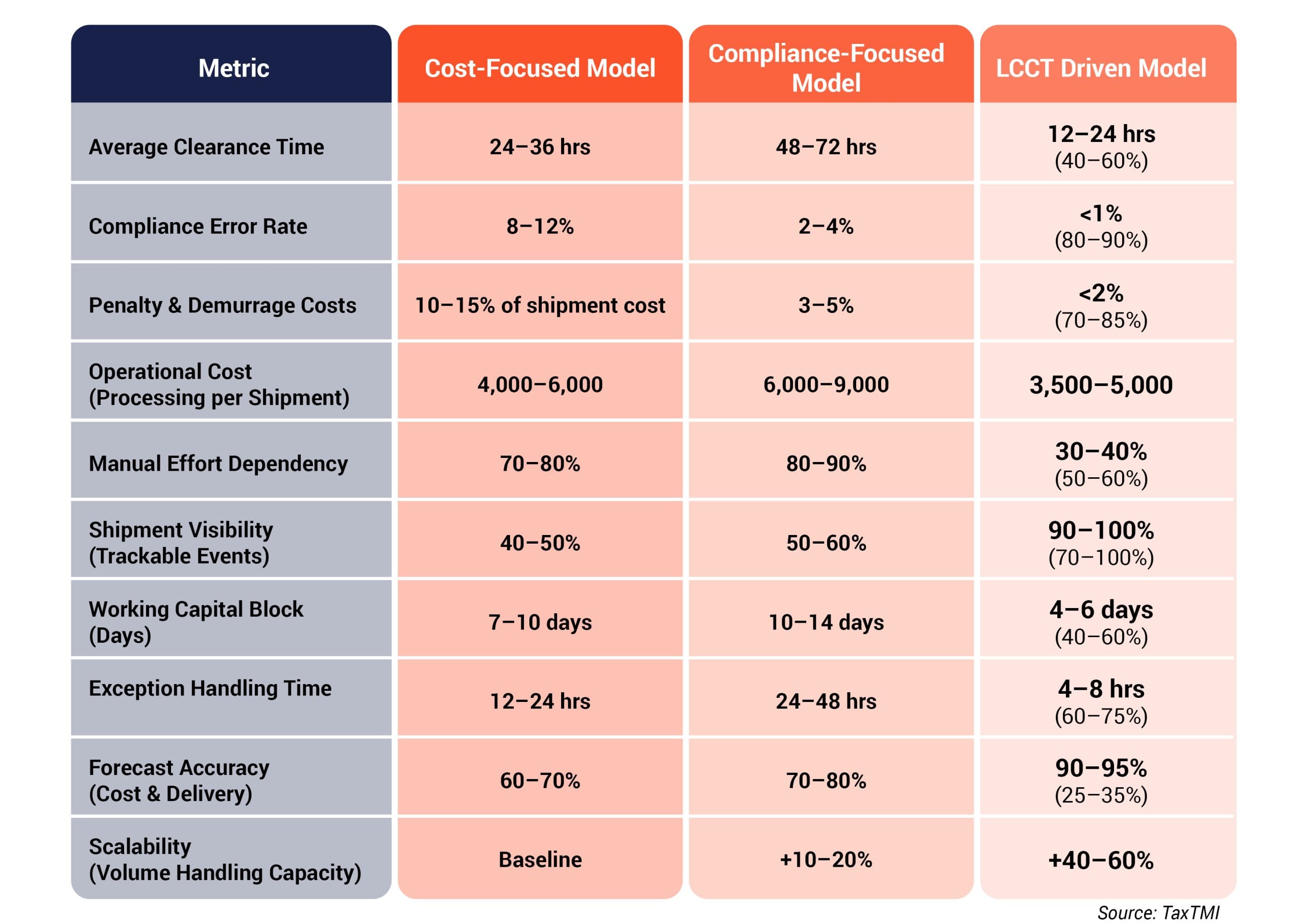
Chief Financial Officers (CFOs) in major export houses always do trade-offs in terms of cost reduction and compliance management. In several cases, these trade-offs have caused them nearly 15-20 per cent of their revenue and they end up losing business from regions where compliance matters the most.
On the other hand, managing compliance too is a significant challenge especially in times like these when the uncertainty is beyond predictable. A platform like logistics & customs control tower can assist export houses in balancing the trade-offs between cost, compliance and responsiveness.
To continue reading, please subscribe:
False trade-off
Compliance is often expensive to adhere. Due to this, several export houses tend to relax on compliance and find out alternate routes that can cost them less. However, little do they understand that non-compliance might reflect in the form of penalties, higher operational cost and reputational risks. But cost and compliance can co-exist and there is no need for a trade-off. For example, supply chains of major export houses are smartly managed without such trade-offs.
Root cause of the trade-off
The root cause of this problem arises due to mismatch is fragmented data ecosystem, manual and reactive nature of processes, frequent regulatory changes to name a few. Hence, the trade-off exists not because cost efficiency and compliance are inherently conflicting, but because the systems and processes supporting them are not yet fully aligned or intelligent enough to deliver both simultaneously.
CFO’s worry – the business impact
This means that the CFO is often worried about the business impact in terms of the overhead costs, resource utilisation, delays, penalties, and a lot more. All of these factors further impact in terms of diminished returns and business value. Moreover, this also results in longer cash conversion cycles, lack of financial agility and long-term financial implications.
Role of Logistics & Customs Control Towers
Logistics & Customs Control Tower serves as a single window platform that facilitates documentation, process control, optimised compliance management, and balance between cost control and compliance seamlessly. Advanced control towers leverage AI and analytics to predict potential disruptions such as customs delays, documentation mismatches, or port congestion. With early warnings, businesses can take corrective actions in advance, avoiding costly disruptions and ensuring smoother flow of goods.
Data Driven Cost Optimisation
With consolidated data and analytics, organisations gain insights into cost drivers—be it demurrage, detention, duties, or inefficiencies in routing. This enables smarter cost optimisation strategies that do not come at the expense of compliance.
All stakeholders onto a single platform
Logistics & customs control towers unify data across carriers, customs brokers, ports, and warehouses into a single platform. This real-time visibility allows CFOs and operations teams to track shipments, identify bottlenecks early, and make informed decisions that prevent delays and unnecessary costs without compromising compliance.
Shift from reactive compliance to predictive governance
In short, Logistics & Customs Control Towers eliminate the root causes of the trade-off by aligning visibility, automation, and intelligence. For a CFO, this translates into predictable costs, reduced financial risk, improved working capital, and a more resilient, compliant supply chain. This means export houses will not have reactive compliance, but predictive or proactive governance model in place that offers smooth flow of cargo from the source to the destination.